Qigong
What is Qigong?
Qigong, which is sometimes spelled Chi-Kung (and pronounced chee-gung), is the study and practice of cultivating vital life-force through various techniques, including:
- Breathing techniques
- Postures
- Meditations
- Guided imagery
Qi means "breath" or "air" and is considered the "vital-life-force" or "life-force energy." Qigong practitioners believe that this vital-life-force penetrates and permeates everything in the universe. It corresponds to the Greek "pneuma," the Sanskrit "prana," or the Western medical conception of "bioelectricity."
Gong means "work" or "effort" and is the commitment an individual puts into any practice or skill that requires time, patience, and repetition to perfect.
Through study, the individual aims to develop the ability to manipulate Qi in order to promote self-healing, prevent disease, and increase longevity.
More about Qigong techniques
There are two types of Qigong practice:
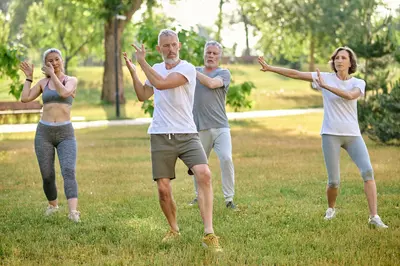
- Wai Dan (External Elixir) involves physical movement and concentration
- Nei Dan (Internal Elixir) involves sitting meditation and guided imagery or visualization
According to the traditional teachings of Qigong, beginners first learn physical movements coordinated with breathing techniques. They practice sets of exercises (similar to Tai Chi) until each movement or posture is perfected. Once they learn the form, the next step is to find the subtle flow or fluctuation of energy within the postures, movements, breathing patterns, and transitions. This is called moving meditation.
 Among the exercises, there are many postures that are held for long periods of time. These postures are somewhat similar to those of yoga. They are practiced to strengthen the limbs and increase energetic flow. These postures fall into the category of still meditation.
Sitting meditation focuses on becoming more acquainted with the breath, body, and mind.
Moving, still, and sitting meditations can all be practiced with or without visualization. Visualization enhances the scope of practice by allowing the practitioner to guide the energy in accordance with the visualization.
Qigong uses combinations of these practices in an effort to promote health and improve digestion; boost the immune system; and relieve headaches, sinus congestion, aches and pain, and stress - to name a few.
What are the types of Qigong?
There are many forms and styles of Qigong, but they all fit into one of three main categories:
- Medical Qigong to heal self and others
- Martial Qigong for physical prowess
- Spiritual Qigong for enlightenment
Generally, all Qigong practitioners incorporate exercises and techniques from all three categories--the only difference is their focus.
Medical Qigong
This is the most popular of the three categories. It is the oldest of the four branches of Traditional Chinese Medicine and the energetic foundation from which acupuncture, herbal medicine, and Chinese massage (tui na) originated. Thus Qigong shares the foundational theories of Traditional Chinese Medicine and uses similar diagnostic and treatment methods.
There are two types of medical Qigong:
- Self-Healing Qigong, during which individuals practice Qigong exercises to enhance their health, prevent disease, and address illness.
- External Qigong or Qi Emission, during which Qigong practitioners emit Qi with the intention to heal others. (See more about this below.) In addition to emitting Qi for healing, a good Qigong practitioner usually prescribes specific exercises designed to help regulate Qi. The patients incorporate these Qigong exercises into their daily practice as well as receive occasional sessions from the Qigong healer/practitioner.
Martial Qigong
This type of Qigong focuses on physical prowess. Martial Qigong practitioners can break bricks, bend steel wires, place sharp objects in vulnerable parts of the body without damaging the skin, or sustain physical impact from baseball bats. Martial Qigong practitioners can demonstrate physical feats considered impossible by modern science.
Spiritual Qigong 
This type of qigong uses mantras, mudras (hand positions), sitting meditations, and prayers to pursue enlightenment. These techniques are heavily influenced by Buddhism, Taoism, and Confucianism. Spiritual Qigong teaches discipline and leads to self-awareness, tranquility, and harmony with nature and self.
Spiritual practitioners train their Qi to a much deeper level, working with many internal functions of the body. They practice to obtain control of their body, mind, and spirit, with the goal of escaping from the cycle of reincarnation.
What do Qigong healers do?
Qigong healers practice the same foundational techniques as everyone else, but they have practiced so much that they understand every move, breath, and thought behind the techniques. Through effort ("gong"), Qigong healers have gained a deeper understanding of the exercises and aimed this effort toward learning how to control Qi.
Qigong practitioners believe that those who have the ability to control Qi can emit Qi to heal others. This can be done in many ways depending on the healer:
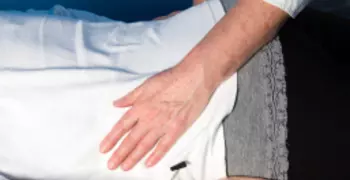
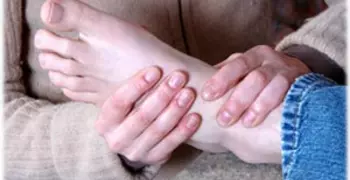
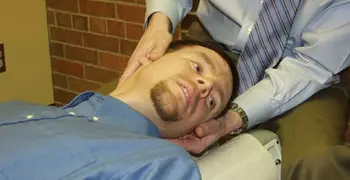
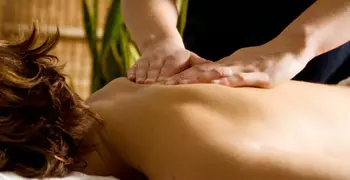
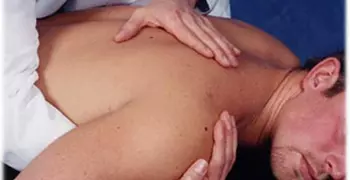
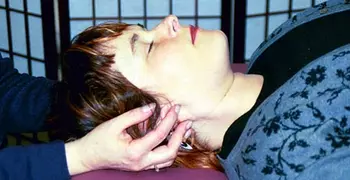
- Qigong massage: placing hands on the receiver through massage, acupressure, or touch.
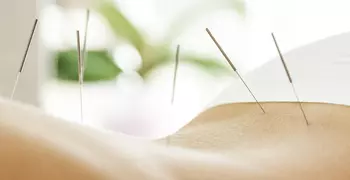
- Tool manipulation: using a pointed object, acupuncture needle, precious metals, or stones (silver, gold, brass, jade, etc.) to manipulate various areas of the body.
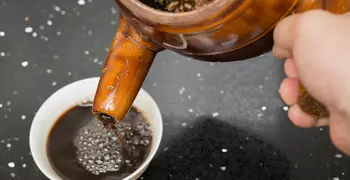
- Item empowerment: energizing precious metals or stones, water (for washing or drinking), teas, and herbal formulas to enhance their own healing properties.
- Qi emission: placing hands several inches above the body and emitting Qi to remove negative influences and supplement deficiencies.
- Distance healing: focusing on an individual many miles away and emitting energy with the intention of correcting his or her imbalances. Some see this as similar to a very powerful prayer.
Practitioners believe that to effectively emit Qi to help heal others, Qigong healers need to maintain their personal health. Therefore, they continuously practice self-healing Qigong to regulate their personal health. The practice of Qigong teaches that without self-healing, the Qigong healer's ability to heal diminishes as well as his or her own health.
Practitioners further believe that diligent practice helps them progressively develop skills such as clairvoyance, clairaudience, and clairsentience, that can help the healer's diagnosis skills.
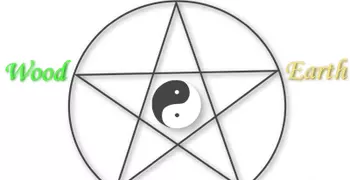
In addition to their strong practice, Qigong healers understand Traditional Chinese Medicine theory (Qi, five-element, meridians, and other theory) and its applications. A healer uses this foundational knowledge in partnership with intuition to balance the patient's Qi. However, if a Qigong healer relies too heavily on theory, or too much on intuition, he or she won't become a great healer. Only those who find the balance do so.
How might Qigong benefit your health and wellbeing?
All living organisms give off a bioelectric field. It is believed that a Qigong healer can detect these fields, as well as their imbalances. The goal of Qigong is to correct the imbalances that have accumulated throughout a person's lifetime. Imbalances occur from deep-seated emotions (stress, anger, anxiety, depression, grief, etc.), trauma or injury, improper diet, excessive sexual activity, lack of exercise, etc. Imbalances may also be acquired from our parents (both constitutional and emotional).
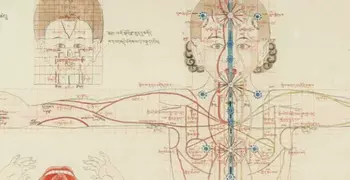
Qigong practitioners believe the Qi that course through our entire being must flow properly, like a river. If there is a block, Qi becomes stagnant and prevents other parts of the body from being nourished. If the Qi flows too rapidly, it causes degeneration or exhaustion of the internal organs. The practice of Qigong helps to balance these energies: filling deficiencies and removing excess.
Practicing Qigong and receiving Qigong healing activates acupuncture points, meridians, and organ systems, according to Traditional Chinese Medicine. Therefore, practicing and receiving Qigong is similar to a powerful acupuncture treatment. Qigong also likely works in the same manner as other physical exercise to relieve emotional stress.
Where to find a practitioner
Practitioners are listed under many Qigong organizations that can be found online. These are very good places to start:
International Institute of Medical Qigong
Spring Forest Qigong (Eden Prairie, Minnesota)

Guided meditation exercise
Qigong uses mindful movement and other meditations. Get a taste of meditation with this guided audio.
Meditation Exercise
Sit comfortably with your feet on the floor.
Click the link below to start the audio, then close your eyes and listen. If you find your mind wandering gently bring it back and start again.
If you prefer you can download the MP3 file to play in a relaxing environment. You will need to unzip this file once downloaded.

Cohen, Kenneth S. (1997). The Way of Qigong: The Art and Science of Chinese Energy Healing. New York: The Random House Publishing Group.
Johnson, Jerry Alan (2000). Chinese Medical Qigong Therapy: A Comprehensive Clinical Text. Pacific Grove, Calif.: International Institute of Medical Qigong.
Reid, Daniel (2000). A Complete Guide to Chi-Gung: Harnessing the Power of the Universe. Boston, Mass.: Shambhala Publications, Inc.
Yang, Jwing-Ming (1997). The Root of Chinese Qigong: Secrets for Health, Longevity, & Enlightenment. Roselindale, Mass.: YMAA Publication Center.