
Meditation

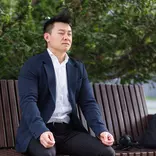
Meditation is a self-directed practice for relaxing the body and calming the mind. In many traditions, meditation is used to achieve insight and expanded awareness. People can meditate while sitting quietly, chanting or reciting, or moving mindfully, as in walking meditation, tai chi, aikido, or yoga. People can also use programs such as Mindfulness Based Stress Reduction (MBSR).

What is Mindfulness Based Stress Reduction?

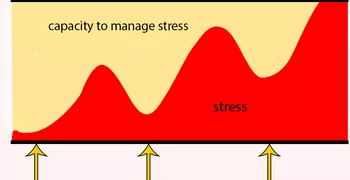
Meditation is involved in Mindfulness Based Stress Reduction (MBSR), which was developed by renowned practitioner and author Jon Kabat-Zinn to teach participants to intentionally deal and cope with stress, pain, illness and the demands of everyday life. It's about taking control of our lives, being aware of influences that affect our well-being and health, and finding peace-of-mind and balance in an oftentimes chaotic world.

Learn more about MBSR.

How can I benefit?

There is a substantial body of research supporting the use of meditation for a wide variety of conditions, including: anxiety, asthma, cancer, chronic pain, coronary artery disease/atherosclerosis, depression, drug abuse, fibromyalgia, headache, HIV/AIDS, hypertension, irritable bowel syndrome, organ transplantation, psoriasis, and psychotherapy.

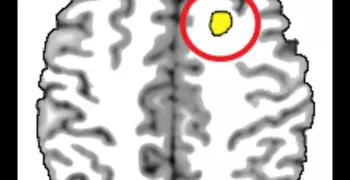
In addition research supports the benefits of meditation in contributing to overall well-being and happiness. Brain scans collected by researcher Richard Davidson show that during meditation, activity in the left prefrontal cortex (associated with positive emotions) greatly exceeded activity in the right prefrontal cortex (home of anxiety and other negative emotions).

Are there any cautions?

Meditation generally poses few risks for mentally healthy people. Just be careful not to stand up too quickly after meditating or you might get dizzy. Also if you are taking medications, such as insulin, sedatives, or cardiovascular medicine, you may need to adjust your dosages.

Meditation may not be recommended for persons with depression or personality disorders, such as schizophrenic, borderline, or narcissistic disorders.

Where can I get more information?

Click here for detailed information on meditation created by experts at the University of Minnesota. (Scroll down until you see the Meditation module.)

Learn more about the University of Minnesota's MBSR course.

References

Research

Carlson L, Speca M, Patel, K & Goodey E. (2004). Mindfulness-based stress reduction in relation to quality of life, mood, symptoms of stress and levels of cortisol, dehydroepinandrosterone sulfate (DHEAS) and melatonin in breast and prostate cancer. Psychoneuroimmunology, 29, 448-474.

Davidson, R. J., Kabat-Zinn, J., Schumacher, J., Rosenkrantz, M., Muller, D., Santorelli, S. F. et al. (2003). Alterations in brain and immune function produced by mindfulness meditation. Psychosomatic Medicine, 65, 564-570.

Kabat-Zinn, J., Massion, A. O., Kristeller, J., Peterson, L. G., Fletcher, K. E., Pbert, L., Lenderking, W. R., & Santorelli, S. F. (1992). The effectiveness of a meditation-based stress reduction program in the treatment of anxiety disorders. American Journal of Psychiatry, 149, 936-943.

Books

Kabat-Zinn, John (1990). Full Catastrophe Living: Using the Wisdom of Your Body and Mind to Face Stress, Pain, and Illness. New York: Dell Publishing.

Expert Contributor: 
Mary Jo Kreitzer, RN, PhD